Ranch Services · 6 min read
Pipe, Barbwire or Field Fence for a Texas Ranch?
A Big Country ranch fencing guide for choosing pipe fence, barbwire, field fence, braces, and gates that match real livestock use.
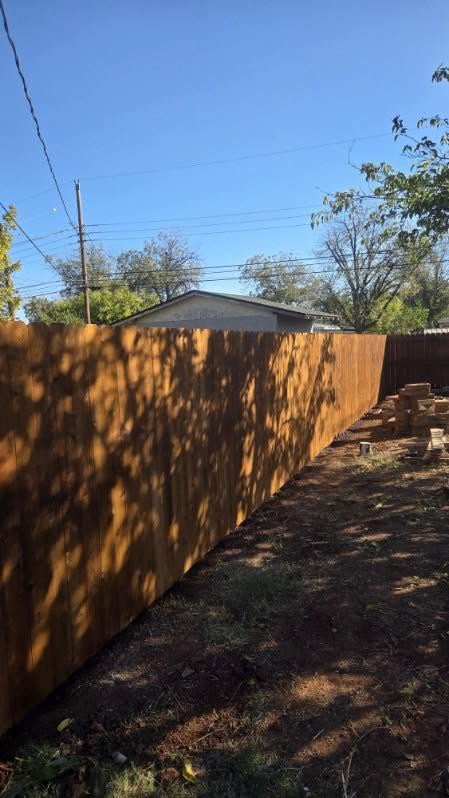
Fence should follow how the ranch works
A good ranch fence starts with movement: where cattle push, where equipment crosses, where water sits, and where the line needs to turn. In the Big Country, terrain can change quickly from open pasture to rocky draws and tight corrals.
That is why pipe, barbwire, field fence, and gates should not be chosen from a catalog alone. They should be matched to livestock pressure, pasture layout, and how often the line needs to be worked.
Corners and braces carry the load
Barbwire and field fence depend on tension. If corners and H-braces are weak, the whole line eventually shows it. Heavy-duty braces, welded steel posts, and clean pulls help the fence hold shape.
For ranch entrances, pens, and high-pressure areas, pipe fence can add strength where basic materials would take too much abuse.
Do not treat gates as an afterthought
A gate that is too narrow, hung wrong, or set in a weak corner slows down every chore. Ranch gates need room for trailers, tractors, feed trucks, and livestock flow.
Lonestar builds ranch fencing, braces, gates, pens, and cattle guards for Abilene-area ranches and surrounding Big Country communities.